

 7-Aug-26 4 min. read
How to Ship a Car to Another State
Follow the complete process for shipping a vehicle between states, from choosing a transport method to preparing your car for pickup.
Read our cost guide Proudly American
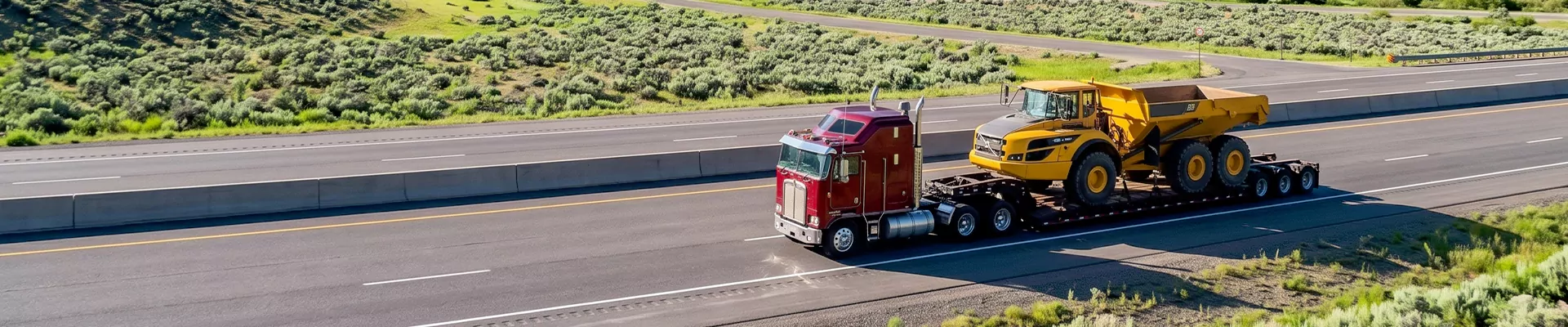
Shipping a standard car to another state usually costs $500 to $2,000 in 2026. The process involves choosing a transport method and checking federal registration. You must prepare the vehicle before pickup. A normal shipment can take 3 to 16 days after booking. If you need to move a vehicle along with a utility or cargo unit, some companies also provide trailer shipping services under the same transport network.
Open transport offers the lowest practical price for most daily-use vehicles. Enclosed transport costs about 30% to 40% more. It suits classic vehicles or cars that need more protection from weather.
Poor preparation can cause pickup delays or price changes. An unreported inoperable vehicle can add $100 to $300 because the driver needs winch equipment. A large SUV may also cost up to $200 more than a standard sedan.
You ship a car to another state by selecting open or enclosed transport. Next you compare written estimates and verify the company’s federal registration. You then book a pickup window. The final steps are vehicle preparation and condition inspections at pickup and delivery.
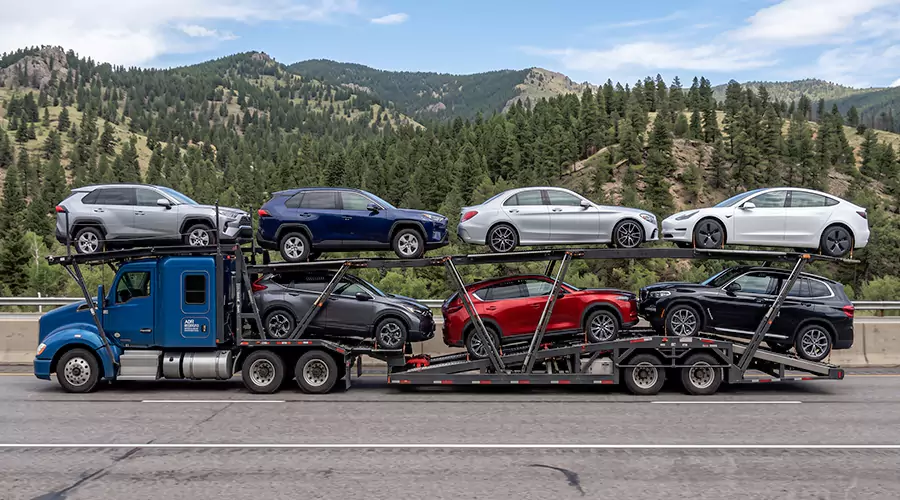
Open transport places the vehicle on a multi-car trailer. The car remains exposed to rain and road dust. However, open carriers have wider availability and lower average rates.
Enclosed transport moves the vehicle inside a covered trailer. This method limits exposure to road debris. Fewer enclosed trailers operate on common routes, which raises the price and can extend the pickup period.
The best way to ship a car depends on its value and condition. Open transport normally fits a working commuter car. Enclosed transport makes more sense when minor cosmetic exposure would create a major financial loss.
Provide the same information to each transport company. Include both ZIP codes and the exact vehicle model. State whether the vehicle starts and drives. You should also identify any modifications that change its height or weight.
A useful estimate identifies the transport method and expected pickup window. It should also explain the payment schedule. Compare the total price instead of focusing only on the initial deposit.
Someone searching “ship my car to another state” can receive very different prices for the same mileage. One company may quote open service while another includes enclosed service. Written details reveal why the numbers differ.
Federal law requires interstate auto transport carriers and brokers to register with the Federal Motor Carrier Safety Administration. Brokers receive an MC number. Carriers receive an MC number and a USDOT number. FMCSA advises consumers to avoid companies that do not display their MC number.
A broker arranges transportation with a separate carrier. A carrier operates the truck that moves the vehicle. You should know which role the company performs before providing payment information.
Search the FMCSA registration record before signing. Confirm that the legal business name matches the written agreement. A similar website name is not enough.
Book about two to three weeks before the preferred pickup date when possible. A three-to-five-day window gives dispatchers more opportunities to match the vehicle with an active route. Rural pickups can require more assignment time than urban locations.
Avoid treating the first pickup date as a guaranteed appointment unless the agreement says it is guaranteed. Carriers collect several vehicles along one route. Weather and earlier stops can shift arrival times.
The process to transport car to another state works better when someone can release the vehicle throughout the pickup window. A trusted representative can handle pickup when you cannot remain available.
Clean the exterior before pickup. Dirt can hide scratches during the condition inspection. Take clear photos from every side in daylight. Include close photographs of existing dents or paint damage.
Remove personal belongings and loose accessories. Disable aftermarket alarms. Leave enough fuel for loading but avoid a full tank. The driver will also need one working set of keys.
Tell the company when the vehicle cannot move under its own power. Non-running vehicles need winch equipment. An undisclosed condition can change the price or prevent pickup.
The driver records the vehicle’s starting condition on the bill of lading. Review every panel before signing. Make sure existing damage appears on the document. Keep your signed copy until the shipment is complete.
Your photographs should match the date and location of pickup. Photograph the mileage reading as well. These records support your account when the condition at delivery differs from the pickup report.
Compare the delivered vehicle with the pickup photographs before signing the final bill of lading. Note any new damage directly on the document. Take detailed photographs while the car remains near the transport trailer.
Do not sign an unqualified delivery receipt when visible new damage exists. The carrier’s insurance terms control claim limits and deadlines. Request the assigned carrier’s insurance details before pickup.
Open transport is usually the right choice for an operable daily-use vehicle. Enclosed service fits high-value cars that need added protection. Door-to-door delivery reduces your driving. Terminal delivery can lower the transport charge but may create separate storage costs.
| Transport method | Best use | Main benefit | Main limitation |
|---|---|---|---|
| Open carrier | Standard cars | Lower average cost | Exposure to weather |
| Enclosed carrier | Classic or luxury cars | Covered trailer | 30% to 40% higher cost |
| Door-to-door | Residential moves | Less local driving | Large trucks need safe access |
| Terminal-to-terminal | Flexible schedules | Possible lower base price | Storage charges can apply |
A request to send car to another state normally defaults to open door-to-door transport. Yet door-to-door does not always mean the truck reaches your driveway. A carrier may use a nearby parking area when the street cannot safely support a 60-to-80-foot truck and trailer.
Rail transport has limited consumer availability. A plan to ship car to another state by train may require specific terminals or passenger travel on the same route. Truck transport serves far more pickup and delivery combinations.
The cheapest way to ship car to another state is usually a flexible open-carrier booking on a common route. Terminal service can reduce the base charge. However, storage fees and local transportation can erase that saving.
State-to-state car shipping usually costs $500 to $2,000 in 2026. Open transport averages about $630 below 500 miles. Routes over 2,500 miles average near $1,350 for a standard sedan. Enclosed service and oversized vehicles raise those planning figures.
| Distance | 2026 open-carrier average | Estimated transit time | Total booking-to-delivery window |
|---|---|---|---|
| Under 500 miles | About $630 | 1 to 3 days | 3 to 7 days |
| 500 to 1,000 miles | About $820 | 3 to 5 days | 5 to 10 days |
| 1,000 to 2,500 miles | About $1,135 | 5 to 10 days | 7 to 16 days |
| Over 2,500 miles | About $1,350 | 7 to 10 days | 10 to 16 days |
These figures cover standard sedans on open carriers. An SUV or truck may add $50 to $200. An inoperable car can add $100 to $300. Enclosed service can raise the total by 30% to 40%.
The cost to ship car to another state falls on a per-mile basis as distance increases. One 2026 pricing model places short routes near $1.26 per mile. Routes beyond 2,500 miles fall near $0.54 per mile.
Price also changes with carrier supply. Popular urban routes receive more frequent truck traffic. Remote pickup points require unpaid repositioning miles, which can raise the final amount.
An insider tip is to compare the quote with $95. A major difference needs a written reason. The reason might be enclosed service or an inoperable vehicle.
Most state-to-state shipments spend 1 to 10 days on the truck. Total booking-to-delivery time usually reaches 3 to 16 days. The distance and route determine transit time. Carrier assignment can add one to five days before the vehicle is collected.
A shipment under 500 miles can arrive in one to three transit days. A route between 500 and 1,000 miles often needs three to five days. Cross-country transport commonly takes seven to ten transit days.
Winter storms can add one to three days on northern routes. Traffic and road closures also affect arrival windows. The driver must follow federal driving-hour limits during transport.
Someone planning to deliver car to another state should separate pickup time from transit time. A seven-day transit estimate does not mean the vehicle will be collected on the day you place the order.
The main local issue is safe carrier access. Large transport trailers need enough space to turn and load. Interstate proximity also affects assignment speed. Weather can change pickup timing. The unresolved location placeholder prevents a precise regional weather assessment.
A residential street may have low branches or restricted parking. In that case, meet the driver at a nearby retail parking lot. Choose a legal area with enough room for a long trailer.
Rural addresses can take longer to assign because fewer trucks pass through them. Moving the pickup point closer to an active interstate can reduce the driver’s detour. It can also create more carrier interest.
The final version of this section should connect with its actual interstate routes and seasonal conditions. Those facts cannot be verified until the city placeholder resolves.
The strongest warning signs are missing federal registration and pressure to pay quickly. A quote far below the market also requires caution. FMCSA reports increased complaints involving auto transporters and brokers. Verification should happen before you release payment or vehicle keys.
You can complete a safe diagnostic by checking the company’s federal registration. Find the MC number on its website or estimate. Search the number through FMCSA. Confirm the legal name and operating role. Stop when the details do not match.
Next, compare three written estimates for the same shipment. Use identical pickup ZIP codes and delivery ZIP codes. Keep the transport method the same. State the correct operating condition each time.
Calculate the price difference between the highest and lowest offers. A low estimate is not automatically false. Yet a result hundreds of dollars below the other two needs a clear written explanation.
A request to get car shipped to another state should not begin with a deposit. It should begin with company verification and matching service details.
Professional coordination becomes necessary when the car does not run or has low ground clearance. It also helps when the pickup address has limited truck access. A licensed broker can locate a carrier. A registered carrier performs the actual interstate movement.
Contact when the vehicle cannot brake or steer. Explain all modifications before requesting a final estimate. Use the online form only if it can accurately describe your vehicle's condition.
Ask the professional to identify the assigned carrier. Request the carrier’s legal name and USDOT number. You should also ask for the insurance certificate and claim procedure.
A plan to shipping a vehicle to another state needs special review when another person will release the car. Provide written authorization and confirm that the representative has valid identification.
The professional cannot replace your pickup inspection. You still need to review the bill of lading and keep photographs. The same rule applies when you transport my car to another state through a broker.
Prevent delays by booking early and reporting the vehicle’s condition correctly. Use a flexible pickup window. Remove loose accessories before the truck arrives. Confirm safe access near both addresses. Review the final price again before signing the pickup bill of lading.
Use this preparation schedule:
Inform the company when moving car to another state involves a modified suspension. A lowered vehicle can need special loading equipment. Roof racks can also change the vehicle’s loaded dimensions.
Keep your delivery schedule flexible. Truck arrival windows can shift because of traffic or earlier stops. Arrange a second authorized contact when you cannot reach the delivery point.
Good state to state car transport planning costs less than correcting inaccurate booking details. A clear vehicle description can prevent a $100 to $300 inoperable-vehicle adjustment.
To ship your car to another state safely, choose the correct trailer and verify federal registration before paying. Prepare the vehicle and photograph its condition. Compare the delivery inspection with the pickup bill of lading. Professional help matters when the car is inoperable or access is restricted. This week, collect three matching estimates and verify each company through FMCSA before booking.
7-Aug-26 4 min. read
Follow the complete process for shipping a vehicle between states, from choosing a transport method to preparing your car for pickup.
Read our cost guideNeed Help?
One call solves it all.